
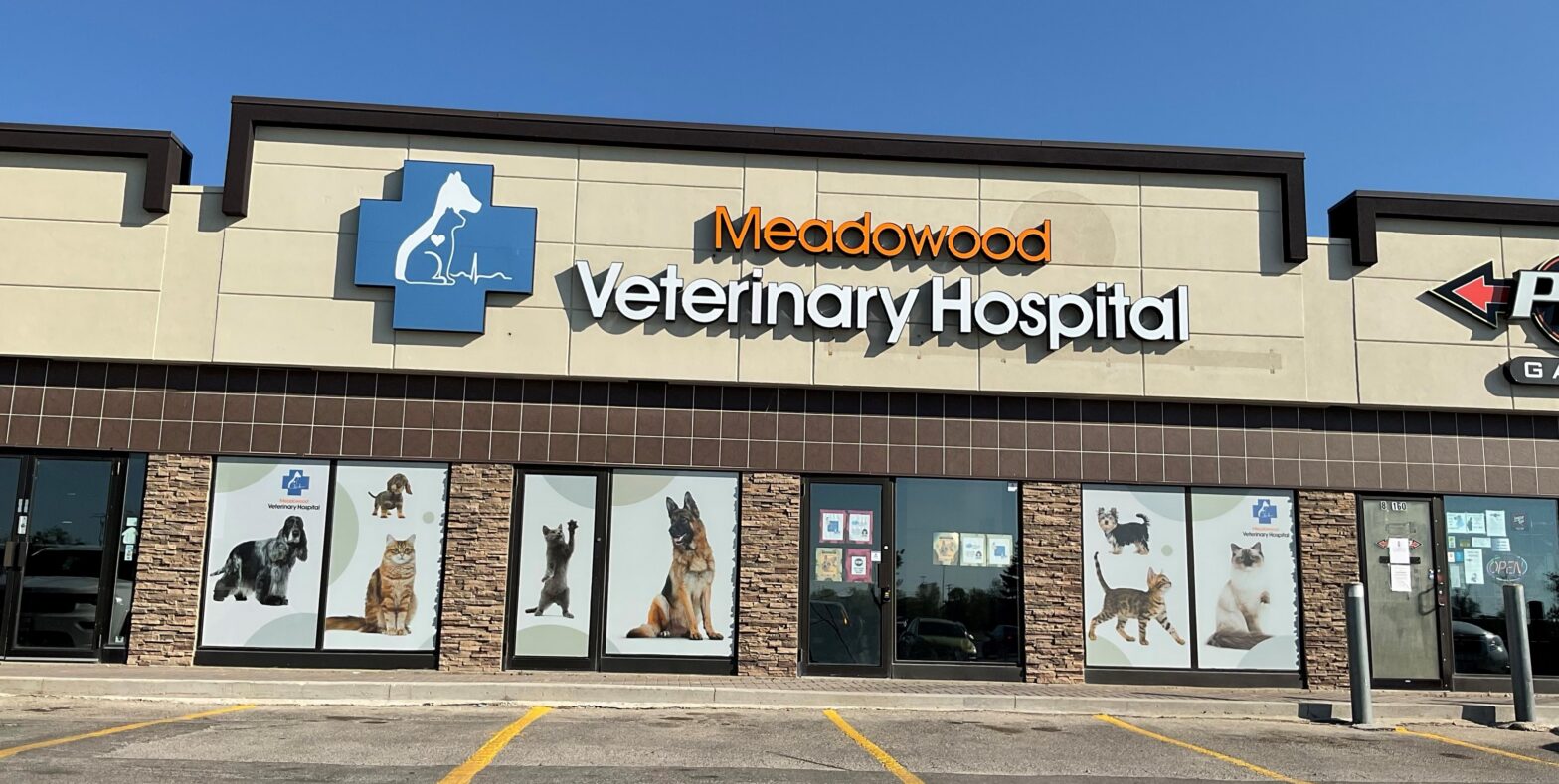
When you’ve got old, dated, and dilapidated signage, it stands to reason that replacing your signs will improve the public’s perception of your business and help you acquire new customers.
We’re talking marketing, though, and “stands to reason” simply isn’t enough. We have to ensure that every dollar spent provides us with tangible benefits. The only way to do that is to:
- Determine what your goals are when designing and installing new signage
- Create systems to measure your success
- Analyze the data gathered by those systems to optimize your approach
In this article, we’re going to teach you how to do all three. The advice we offer applies to all forms of signage: Digital signage, storefront signage, and even window and wall decals. Many of the techniques we’ll discuss can even be used for measuring the effectiveness of vehicle wraps!
There’s a lot to cover before we sign off, so let’s dive right in:
Key Takeaways
- Effective signage is signage that reaches the unique goals of your business.
- Metrics ranging from foot traffic and sales lift to lead volume and dwell time can be used to measure efficacy.
- Setting goals, using realistic KPIs, and ensuring you have a baseline will help you measure your success.
- SpeedPro Canada can help.
What “Effective Signage” Actually Means
Effective signage is a somewhat nebulous term – and for good reason.
You might be installing a storefront sign because you want to improve the public’s perception of your brand or putting up window film to promote a sale. There are hundreds of reasons to install signage – though almost all of them revolve around helping your business thrive.
Effective signage, then, is any signage that helps you achieve your business goals. Ideally, your effective signage will provide you with a positive return on investment (ROI).
The Metrics That Matter Most
Now that we’ve established that the definition of effective signage depends on your goals, there’s an obvious next logical question: What should my goals be? In marketing, we can only understand what we can measure, so setting metric-based goals is the best idea. Here are a few of the metrics we recommend our clients use, and how you can measure them:
Foot Traffic Changes
Foot traffic changes are the bread and butter of signage metrics. What you’re tracking is simple: How many more people enter my business after a sign has been installed?
There are several ways to track foot traffic. You can:
- Get team members to manually count how many people enter your business each day.
- Install overhead sensors to count walk-ins.
- Use cameras to analyze foot traffic (being mindful of privacy laws).
Whatever method you use, be sure to start counting foot traffic before you install the new sign. Having a baseline is crucial – without one, data becomes noise.
There are several related metrics you can track, including entry rate vs. pass-by (how many people enter your store vs. how many people walk past it as a percentage of total pedestrian traffic) and dwell time (which we’ll discuss later in this section).
Sales Lift
Sales lift is another core metric, though one that’s slightly more difficult to track. In short, it’s the increase in sales revenue or sales volume as a result of a particular promotion or marketing tactic.
Here’s a simple formula for calculating sales lift:
[(Sales with promotion – Baseline sales)/Baseline Sales] x 100
Sales lift is represented as a percentage (that’s why we’re multiplying by 100). Much like foot traffic, you must have some baseline; ideally, you’ll compare apples to apples whenever possible, using Year-over-year (YOY) or a similar metric that makes sense for your industry.
One notable challenge with calculating sales lift is the existence of other promotions. Ideally, those promotions are carefully tracked to not create too much noise when calculating your sign’s sales lift. Alternatively, you can pause other promotions after installing your sign to get a more accurate picture of the sales lift your signage is providing.
Lead Volume
Lead volume is a great metric for signage – and it’s one of the easiest to track, too. We recommend choosing one of four different ways to capture data about signage-driven leads:
- Placing a unique QR code on your sign that leads to a unique URL
- Placing a unique URL on your sign
- Placing a unique phone number on your sign
- Using surveys to ask leads where they heard about you (with “your sign” as an option)
Of all the key metrics, lead volume may be the easiest to track without noise; that’s great for acquiring more robust marketing and sales data. Be sure to track how many leads convert after seeing your signage to get even more insights!
Customer Dwell Time
Dwell time is one of the more interesting metrics on this list because it’s not as directly tied to potential profits as people walking into your business or calling you. Dwell time measures how long a person stands in front of your sign; it’s an intermediary metric, which you use to evaluate the effectiveness of your signage for other things.
Businesses looking to measure digital signage ROI will often use dwell time as a metric because it helps them determine:
- How many promotions a customer look at
- Which promotions they look at for the longest
- Which promotions are most likely to lead to conversions
Digital signage analytics are necessarily multivariate – instead of analyzing one call-to-action, you’re analyzing several. This is why dwell time matters a lot for digital displays.
How is dwell time measured? Mostly with cameras, and ideally with computer vision (cameras + AI). The goal is to measure how often people stop and look at the sign, how long they look for (their dwell time), and what they do after dwelling (like leaving, going into your store, or pulling out their phone to grab a QR code). You can do the work manually; however, just watch people watching your sign!
Customer Feedback
Customer feedback can sometimes be overlooked, but it’s a crucial metric. A sign that’s driving sales and getting foot traffic into your business might not be worth it if it’s hurting public perception of your brand.
Measuring feedback is easy: Send out surveys or literally ask clients who come to your business what they think of your sign. A more positive impression means you’re getting more value!
Step-By-Step: How To Measure Without Overcomplicating It
Pick One Primary Goal
Measuring everything leads to far too much noise. Choose a primary goal – like a 15% increase in sales – and choose KPIs that will help you measure your success.
The primary goal you choose should be one that leads to a positive ROI. Imagine you pay $5000 for your sign, and you want to see a positive ROI within a year. You know that each lead the sign generates has an average value of $100; you’d want the sign to generate 51 leads in a year to reach your goal.
Choose Two Or Three KPIs
Once you have your goal in mind, choose KPIs that are aligned with that goal! You might want to see both an increase in lead volume and in foot traffic if your goal is to increase sales, while an increase in dwell time and customer feedback might be what you’re looking for if brand awareness is your lodestar.
Run The Test Period
Once everything is in place, you’ll start running tests! Whether you’re using analytics tools to analyze sales data or asking team members to measure foot traffic, be sure you’re gathering data in the way that produces the least noise you can.
Review & Adjust
Having gathered data, you should review it periodically to ensure that you’re on your way to meeting your goals. You can adjust your signage based on feedback, especially if you’re using digital signs or monument or pylon signs, where you can easily change or remove lettering and banners.
How To Improve Results Over Time
We haven’t been gathering all of this data just to prove the effectiveness of your signage; you can also use the data you get to improve results. This is especially true with digital signage systems; digital signage effectiveness is tied directly to your ability to run multivariate tests. When one idea isn’t working, scrap it and move on to a new one to enhance customer engagement and improve sales!
Get Help Measuring And Improving Your Signage
Ready for superior signage? Visit one of our SpeedPro franchises today; whether you’re measuring success for traditional signs or you have digital signage KPIs you want to meet, we’re here to help!