

Every construction site runs on movement. People, equipment, deliveries, timelines. If things are not clearly communicated, everything slows down.
That is where signage comes in.
The right types of construction site signs keep your site organized, reduce confusion, and make sure everyone knows exactly what is going on. At the same time, they put your company in front of potential clients every single day.
Here are the main types you should be using.
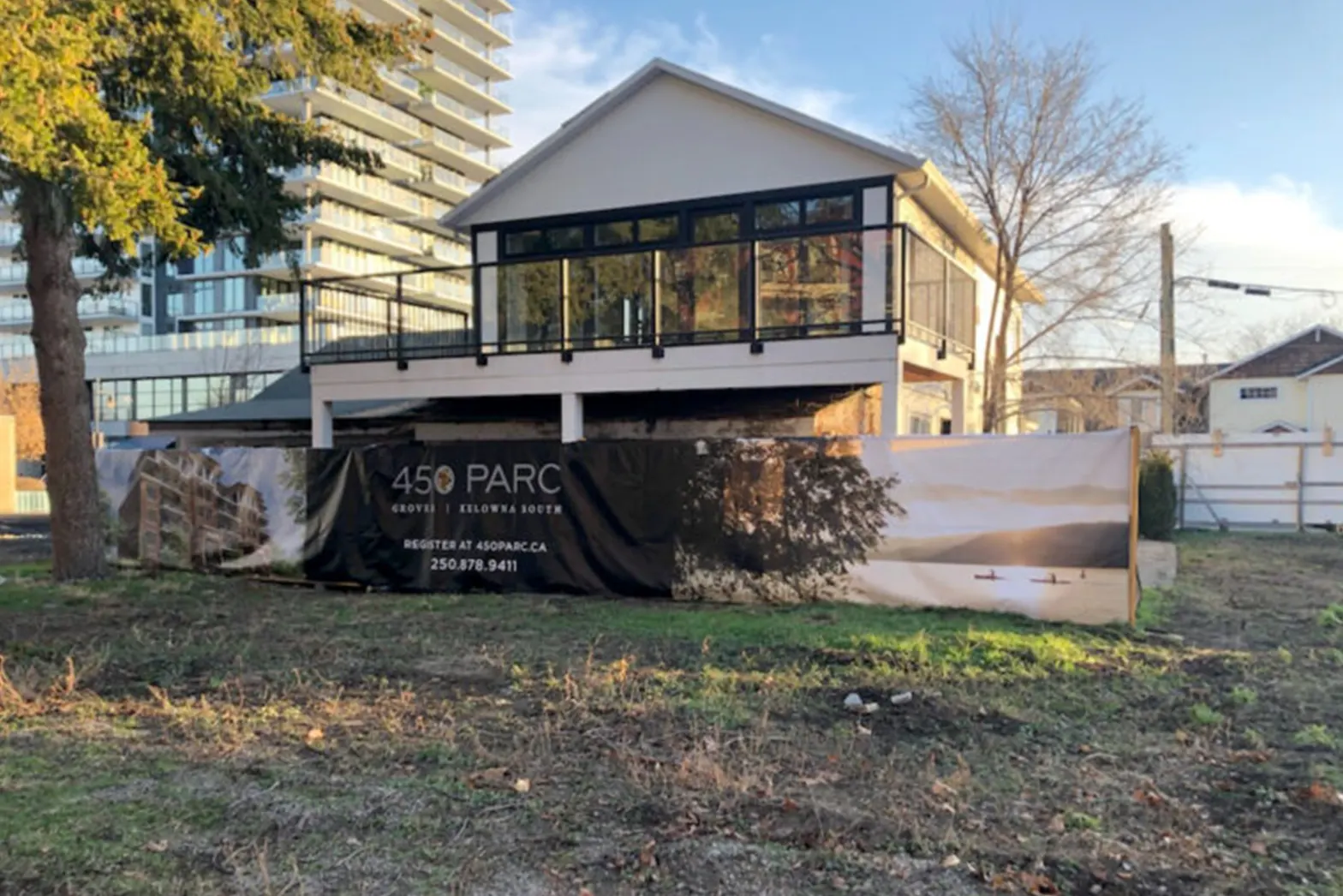
Large-Format Construction Signs
These are the main signs people see from a distance.
They are usually installed on fencing, temporary walls, or the building itself. Their job is simple. Make your company visible.
Most large-format signs include your logo, company name, and contact information. Some also show what the finished project will look like.
If your site is in a high-traffic area, this sign becomes one of your most valuable marketing tools. People driving or walking by will see your name repeatedly, which builds familiarity over time.
Placement is everything here. The sign should face the direction with the most traffic and be easy to read at a glance.
Safety Signs
Safety signs are required, but they still need to be done properly.
These signs communicate hazards and expectations across the site. They help prevent mistakes by making information clear and immediate.
Typical safety signs include:
- Protective gear requirements
- Restricted access areas
- Hazard warnings
- Equipment zones
The key is visibility. If someone has to stop and think about what a sign means, it is not doing its job.
Clear, direct messaging works best. Keep wording simple and placement intentional.
Directional Signs
Construction sites change constantly. Without direction, people waste time figuring out where to go.
Directional signs solve that.
They guide workers, deliveries, and visitors to the right areas. Parking zones, loading areas, staging points, and active work zones should all be clearly marked.
This becomes especially important on larger sites or projects with multiple crews.
Good directional signage keeps everything moving. It cuts down on unnecessary questions and helps teams stay focused on their work.
Construction Banners
Banners are one of the easiest ways to cover a large area quickly.
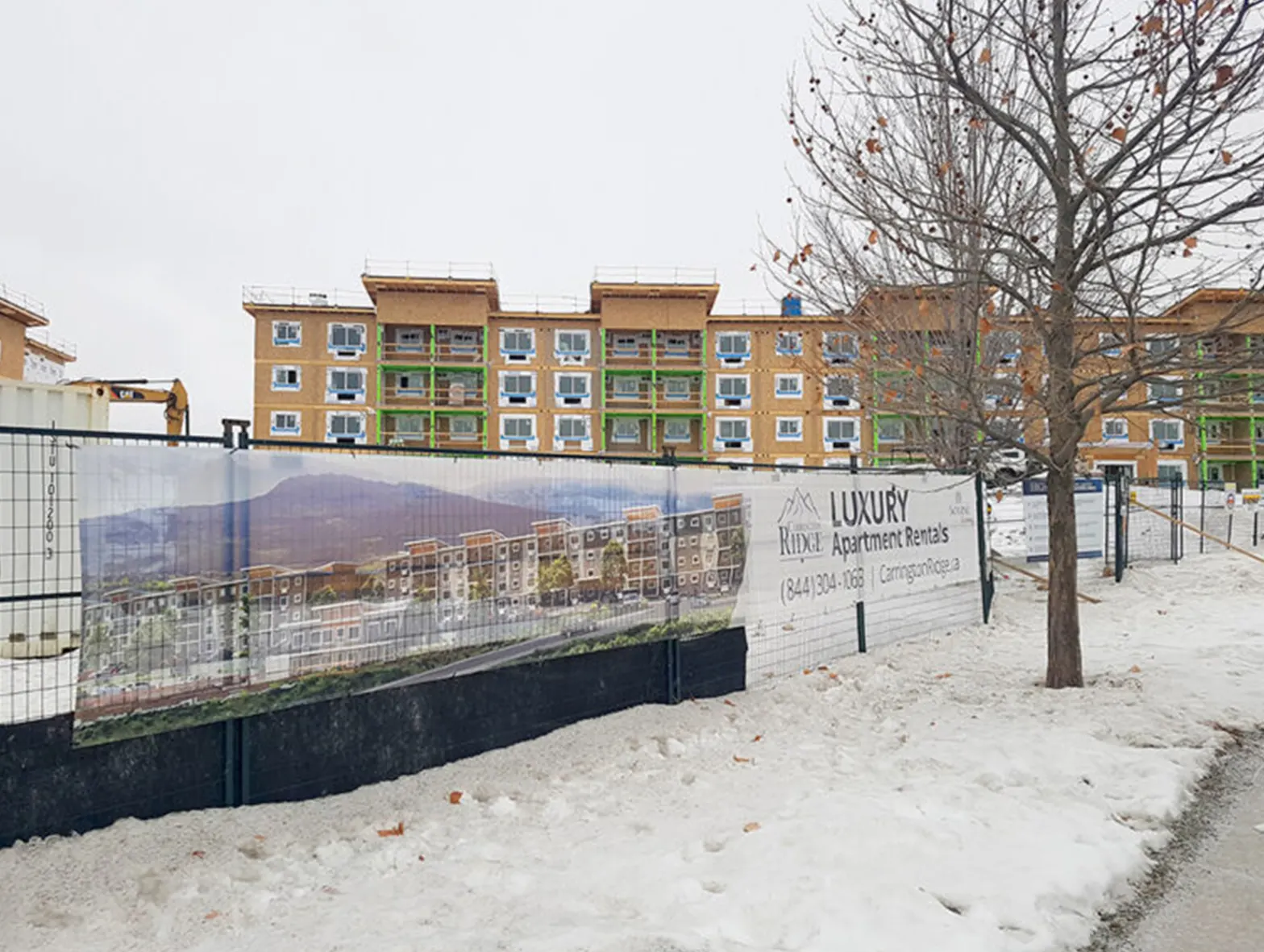
They are commonly attached to fencing and can run the full length of a site. They serve two main purposes. Branding and coverage.
Instead of exposing the inside of a construction zone, banners create a cleaner, more controlled look. They also give you space to display your branding or messaging.
Mesh banners are often used because they allow air to pass through while still blocking the view.
They are also easy to install, remove, and reuse, which makes them a useful option across multiple projects.
Project Signs
Project signs give context to what is being built.
They are usually placed near the main entrance or along the front of the site. These signs contain information such as the project name, builder, and key partners.
They answer the question most people have when they pass by. What is this going to be?
They also help position your company as part of a larger development. A clean, well-designed project sign adds credibility and shows that the job is organized.
Regulatory Signs
Every site has rules. Regulatory signs communicate them clearly.
These are the signs that outline how the site operates day to day. That includes:
- Entry and exit points
- Delivery instructions
- Site hours
- No parking zones
They are not meant to stand out visually. They are meant to be understood quickly.
When these signs are missing or unclear, it leads to interruptions and delays. When they are done right, everything works more smoothly.
Vehicle Graphics
Vehicle graphics are often overlooked, but they are part of your overall signage.
Your trucks and service vehicles are constantly moving between locations. With proper branding, they act as mobile signs for your business.
They reinforce your presence both on and off the job site.
When someone sees your signage on-site and then sees your vehicle elsewhere, it builds recognition. That consistency matters.
How to Choose the Right Types of Construction Site Signs
Not every project needs the same setup, but most sites benefit from a mix of key sign types.
At a minimum, you should have:
- A large-format sign for visibility
- Safety signage across the site
- Directional signs for navigation
- Banners for coverage and branding
From there, you can add project signs and regulatory signs based on the complexity of the job.
The goal is not to overload the site with signage. It is to make sure the right information is available at the right time.
What Makes Signage Work
There are a few things that set efficient signage apart from the rest.
First is placement. Signs should be positioned where people need to make decisions. Not just where there is empty space.
Second is clarity. Messages should be easy to read and understand in seconds.
Third is consistency. Your branding should look the same across all signs, from large-format pieces to smaller details.
And finally, durability. Construction environments are rough. Materials need to hold up against weather, dust, and daily wear.
Final Thoughts
There are many types of construction site signs, but they all serve a clear purpose. Keep the site organized and make communication simple.
When your signage is clear and consistent, everything flows better. Workers know where to go, visitors understand the layout, and your company stays visible the entire time the project is active.
If your site feels disorganized or unclear, signage is usually one of the easiest places to improve.
And when it is done right, the difference is noticeable right away.
Starting a new project? Make sure your site is set up right from day one with custom signage from SpeedPro Kelowna. Get in touch today!


