

Have you ever arrived somewhere before and not known where you were supposed to navigate to?
Wayfinding signs guide people through public spaces, help visitors navigate efficiently, and create a positive impression among those who are new to the surroundings. For businesses and public facilities, effective signage prioritizes a seamless experience and minimizes the likelihood of frustration.
Accessible wayfinding signs should always be designed with inclusivity in mind. They must consider people with disabilities, those who are unfamiliar with the facility, and visitors under stress or time pressure. Incorporating accessibility into signage ensures everyone can find their way safely and confidently.
Whether you manage an office building, hospital, shopping centre, or university campus, clear and accessible wayfinding signs are essential. They improve efficiency, reduce confusion, and support a welcoming environment.
The Importance of Accessibility
Accessibility is about creating a space that works for everyone. It’s about more than following rules. Good wayfinding signs take into account the different ways people experience a building. Some move quickly, some have limited vision or hearing, and some think or read differently.
The goal is simple: make information clear, visible, and easy to understand for as many people as possible.
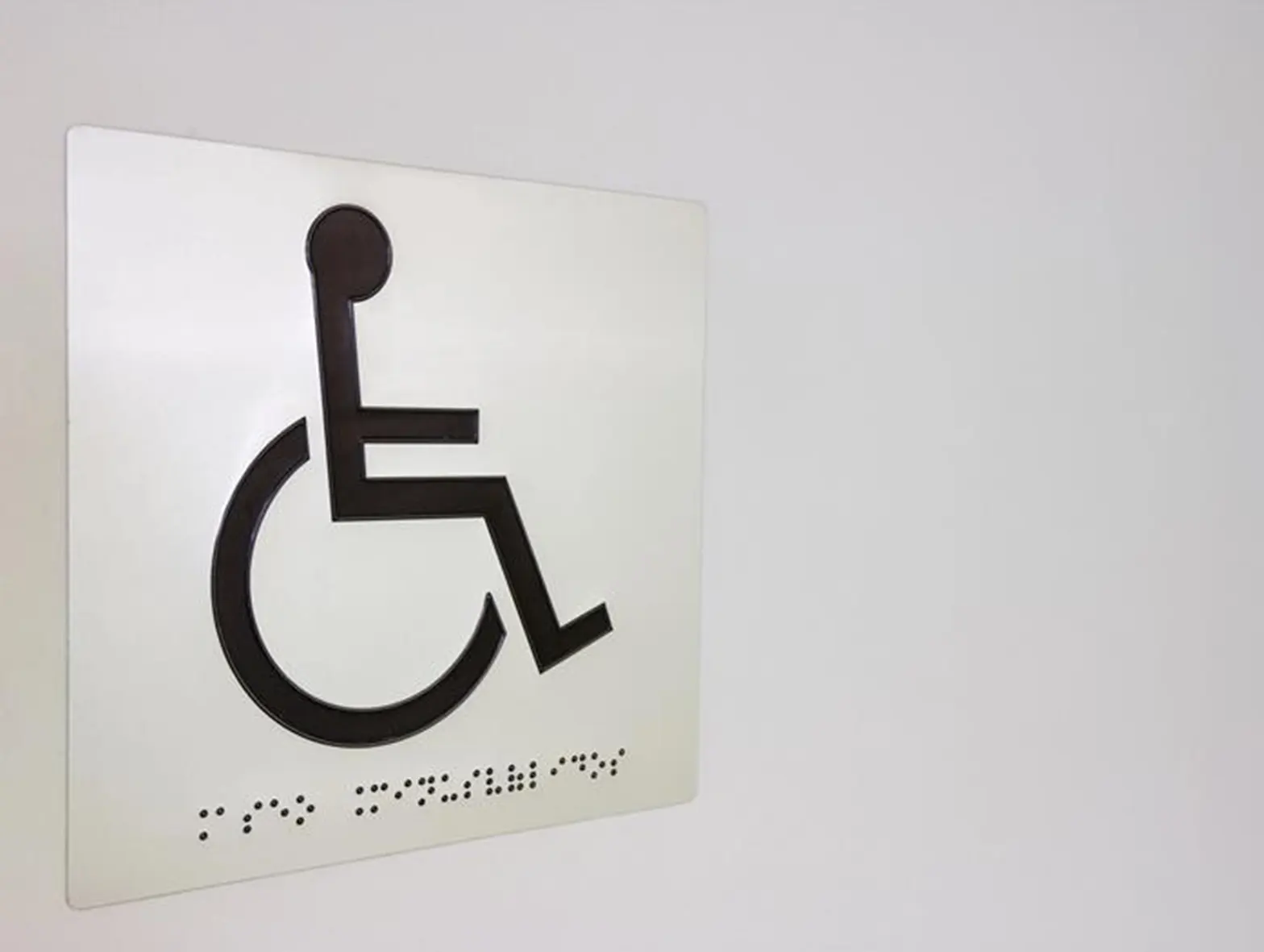
Signs that use large, readable fonts and colours that stand out help people see them quickly. Adding tactile features or braille gives those with visual impairments the chance to navigate independently. Symbols and simple icons can guide people who might struggle with reading or who speak a different language.
And where the signs are placed matters. A sign at the right height in the right spot can make a big difference in helping someone move confidently through the space.
Focusing on accessibility with indoor signage shows that a business cares about its visitors. It also saves staff time, because people can find their way without asking for help. And in an emergency, accessible signs can guide everyone safely to exits or meeting points. When signage is done right, it makes a building welcoming, safe, and easy for everyone to navigate.
How Wayfinding Signs Improve Visitor Experience
Walking into a large or unfamiliar facility can be confusing.
Multiple floors, entrances, and hallways can make it easy for someone to get turned around. Wayfinding signs help visitors know where to go, which makes them feel more comfortable and confident. Without clear guidance, people might waste time, get frustrated, or leave before experiencing everything the space has to offer.
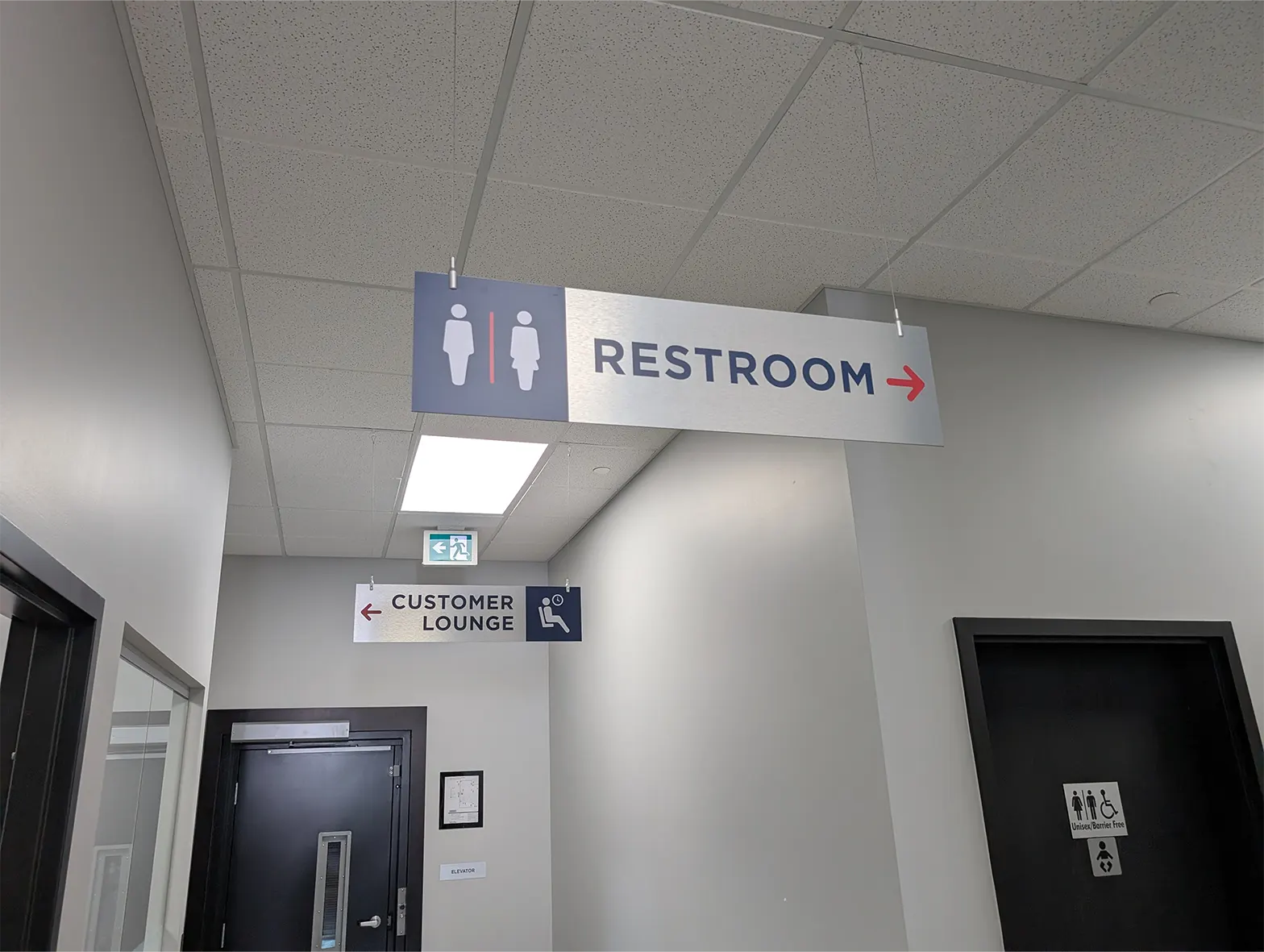
The best signs do more than point in a direction. They show important information at a glance, such as room numbers, floor levels, restrooms, elevators, accessible entrances, and emergency exits. When this information is clear and easy to understand, visitors can move through the facility with ease, without stopping to ask for help.
Accessible wayfinding signs also give visitors a good first impression. A space that is easy to navigate shows that the facility cares about the people who use it. Visitors notice the thoughtfulness, and they are more likely to return, recommend the location to others, and have a positive overall experience.
Planning Your Wayfinding Signage
Good signage doesn’t happen by accident.
Start by looking at your facility and deciding which spots truly need signs. Entrances, exits, elevators, restrooms, and public amenities are obvious places, but think about any other areas where people might get lost or need guidance.
Next, consider who will be using your space. This could include first-time visitors, people with disabilities, or anyone who may not speak the main language. Knowing your audience helps make sure the signs are practical and easy to understand.
Make sure your signs are visible. They should stand out from a distance and be placed where people naturally look as they move through the building. Consistency is important too—using the same colours, fonts, and symbols across all signs helps avoid confusion and makes the space feel organized.
Planning everything ahead of time makes a big difference. It ensures the signage works together as a complete system and meets accessibility standards, giving everyone a smoother, safer experience as they navigate your facility.
Design Considerations for Accessible Wayfinding Signs
Design is one of the most important factors in making wayfinding signs accessible. Using fonts that are easy to read, bold colours, and clean layouts helps people find the information they need quickly. Clear contrast between text and background is especially helpful for visitors with low vision.
Adding tactile features like raised letters or braille gives people with visual impairments the ability to navigate independently. Symbols and simple icons can make signs even easier to understand, particularly for visitors who might not read fluently or who speak a different language.
Where signs are placed matters just as much as how they look. They should be at eye level and positioned near entrances, hallways, intersections, and other spots where people need to make decisions. Lighting should be bright enough to read easily, but glare should be avoided so the signs remain clear in any condition.
Paying attention to these details helps businesses create wayfinding signs that feel intuitive, easy to use, and welcoming for everyone who visits.
Benefits of Wayfinding Signs Beyond Navigation
Accessible wayfinding signs do a lot more than help newcomers figure out where they are going. They play an important role in keeping people safe, especially during emergencies when clear direction can make a real difference.
They also cut down on confusion and stress, which can improve the overall experience for visitors. As a result, staff spend less time giving directions and more time focusing on their actual work.
Well-designed signs also contribute to the overall atmosphere of your space. When the colours, fonts, and visual style match your branding, the environment feels more organized and polished. People notice this kind of consistency, and it leaves them with the impression that your business pays attention to detail and values its guests.
Facilities that handle events, conferences, or large crowds benefit even more. Accessible signage helps maintain steady movement, prevents bottlenecks, and keeps traffic flowing in busy areas. It also shows a genuine commitment to inclusivity by making it clear that every visitor has been considered and supported.
Implementing Your Wayfinding System
Setting up an accessible wayfinding system really comes down to taking the time to understand how people move through your space.
It helps to walk the building yourself and pay attention to any spots where someone might stop and wonder where to go next. Things like entrances, long hallways, elevators, stairwells, restrooms, and busy service areas usually end up needing some kind of clear signage.
Once you know the trouble spots, you can sort out what types of signs fit each area.
- Directional signs point people in the right direction and keep traffic flowing.
- Identification signs tell visitors what a room or space actually is.
- Informational signs share instructions or anything safety-related that people should know.
When these pieces are put together properly, the whole building feels easier to navigate.
It’s also worth getting input from designers or sign manufacturers who work with accessibility on a regular basis. They can help you figure out which fonts are easiest to read, which colours give the best contrast, what materials hold up over time, and where each sign should go so it’s actually useful. Their guidance helps make sure your system is both compliant and genuinely helpful to the people using it.
Making Your Facility More Inclusive with Accessible Signage
Adding accessible wayfinding signs is one of those small choices that makes a big difference.
Clear, readable signage helps every visitor, no matter their abilities, move through your space on their own, without having to stop and ask for help. It’s a simple way to show people that your facility considers everyone’s needs.
There’s also a larger message behind accessible design. When a business prioritizes accessibility, it reflects a commitment to fairness, safety, and thoughtful planning. Inclusive environments don’t just function better. They make people feel respected and welcome the moment they walk in.
Upgrading your wayfinding system is also a practical investment. Well-designed signs prevent confusion, reduce stress, and keep people moving in the right direction. It’s a small detail that can elevate the overall experience and reinforce the professionalism of your organization.
If you’re looking to improve how visitors navigate your facility with accessible wayfinding signs, contact us at SpeedPro Kelowna can help. Get in touch with us to create and install durable, accessible wayfinding signs tailored to your space and built to last.


